Package Size and Consumption Volume
How packaging dimensions influence food consumption from packaged products
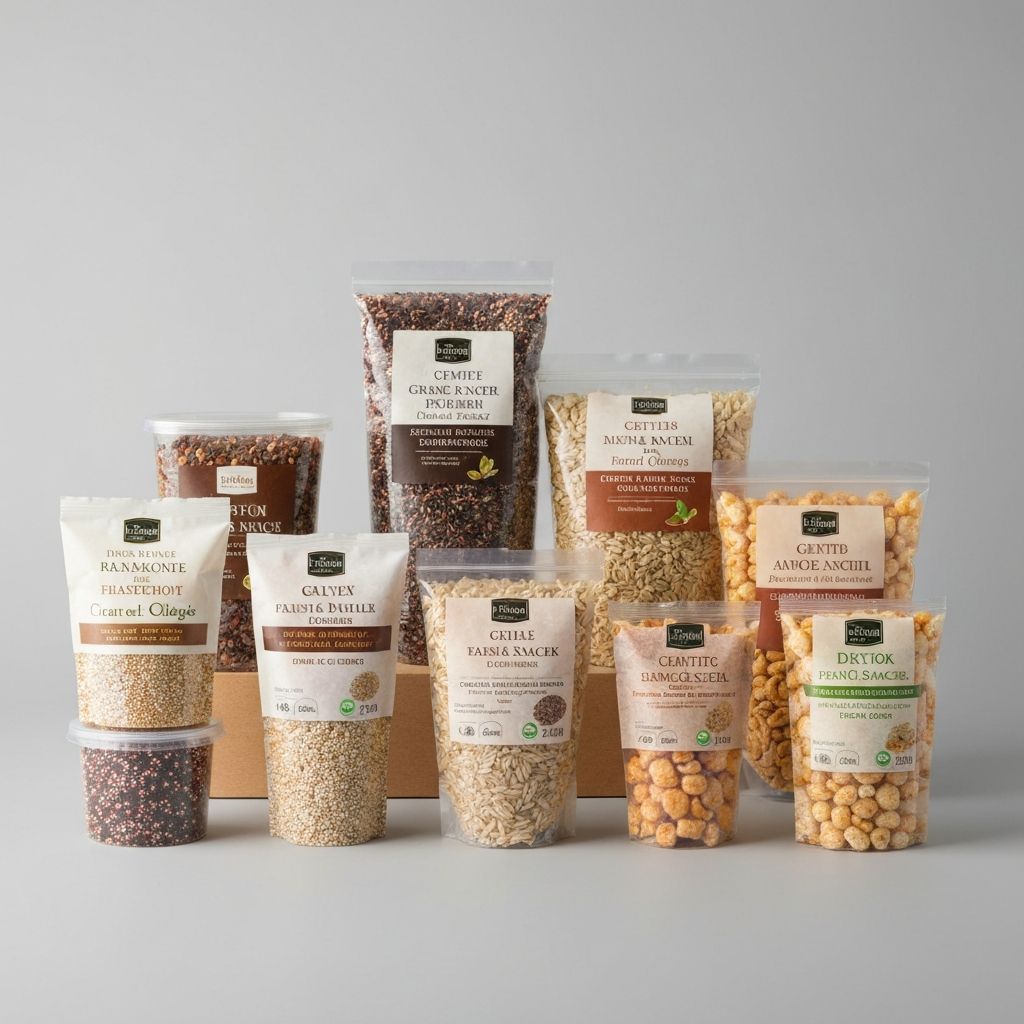
Package Size as a Consumption Cue
Package size serves as an influential environmental cue that shapes consumption patterns. The dimensions of packaging—including the overall size of the container and the quantity of product contained—influence how much food individuals consume across eating occasions.
Research demonstrates that individuals provided with food in larger packages tend to consume more total product compared to when the same food is available in smaller packages. This package size effect operates independently of price, taste, and other product characteristics, suggesting that the physical size of packaging itself serves as a powerful consumption influence.
Single-Serving and Multi-Serving Packages
Package design distinguishes between single-serving packages that contain an individual portion and multi-serving packages that contain multiple portions. Single-serve packaging creates clear portion boundaries, while multi-serve packages require individuals to determine appropriate stopping points during consumption.
Research shows that individuals consuming from multi-serve packages tend to consume greater total quantities compared to when provided with equivalent or smaller single-serve packages. The absence of clear package-based stopping cues in multi-serve contexts removes a structural constraint on consumption quantity.
Package Transparency and Visibility Effects
Package transparency influences consumption patterns by affecting visibility of remaining product. Transparent packaging makes the quantity of remaining product visually apparent, while opaque packaging obscures visibility. Individuals consuming from packages with high transparency show different consumption patterns compared to those consuming from opaque packages.
The ability to visually monitor remaining product serves as a consumption cue. When individuals can easily assess how much product remains, this information influences decisions about continuing to consume versus stopping. Opaque packaging removes this visual feedback, potentially facilitating greater consumption.
Package Size and Consumption Duration
Larger packages extend the time period during which product is available for consumption, which can increase total consumption across the availability period. Individuals with larger quantities of product available tend to continue consuming across more eating occasions compared to when product availability is limited to smaller quantities.
This temporal aspect of package size reflects an interaction between product availability and consumption frequency. The presence of product in the home or available location increases consumption frequency across multiple eating occasions, such that individuals with larger packages available consume on more separate occasions.
Package Size and Price Effects
Larger packages typically offer lower cost per unit, creating economic incentives for bulk purchasing. The economic value proposition of larger packages influences purchasing decisions and patterns of product availability in individuals' homes.
Research examining price and package size effects reveals that larger packages promote greater consumption even when price per unit is factored into analyses. The package size effect appears to operate through mechanisms beyond simple economic considerations, including availability effects and consumption cueing.
Resealable and Non-Resealable Packaging
Whether packages can be resealed influences consumption patterns by affecting the ease with which consumption can be halted and resumed. Non-resealable packages create a consumption completion effect where individuals tend to consume until the package is empty. Resealable packages permit storage and partial consumption, altering the temporal dynamics of consumption.
The presence of a resealable opening may reduce the psychological pressure to complete consumption of multi-serve packages compared to non-resealable formats. However, resealability does not eliminate package size effects, as individuals with larger quantities available still tend to consume more total product.
Individual Differences in Package Size Responsiveness
Research reveals individual variation in how strongly package size influences consumption. Some individuals demonstrate very large consumption increases with larger packages, while others show more modest changes. Factors including eating habits, dietary restraint, awareness of portion cues, and prior experience influence package size responsiveness.
Additionally, the type of product influences package size effects. Some food categories show stronger package size effects compared to others, possibly reflecting differences in eating norms and consumption patterns associated with different food types.
Package Size Normalization
Over time, repeated exposure to certain package sizes influences what individuals consider normal or standard quantities. As larger packages have become increasingly common in retail environments, the baseline against which individuals evaluate package size has shifted. What once appeared as a large package may now appear ordinary.
This normalization process creates a self-perpetuating cycle where commercial availability of larger packages shifts consumer expectations about standard quantities, which in turn supports continued retail availability of large packages. This dynamic demonstrates how commercial practices and consumer behavior interact to influence consumption environments.
Packaging Design and Consumption Behavior
Beyond package size itself, specific design features of packaging influence consumption. The location of visual or tactile portion indicators, the prominence of serving size information, and the organization of product within the package all influence consumption behavior through various mechanisms.
Packaging design represents a powerful environmental influence on consumption behavior. Understanding how packaging dimensions and design features influence consumption illustrates the extent to which commercial product design shapes real-world consumption patterns.
Implications and Context
Understanding package size effects provides context for recognizing how commercial product design and packaging decisions influence consumption behavior. Larger packages represent intentional business decisions that have demonstrable effects on consumer behavior.
This information is presented for educational understanding of portion science. Individual food choices and consumption patterns reflect complex interactions between packaging factors, personal preferences, physiological needs, and numerous other considerations. Individual applications of this research vary widely based on personal circumstances and contexts.
Back to Articles