Unit Bias in Portion Perception
How discrete units influence portion appropriateness judgments
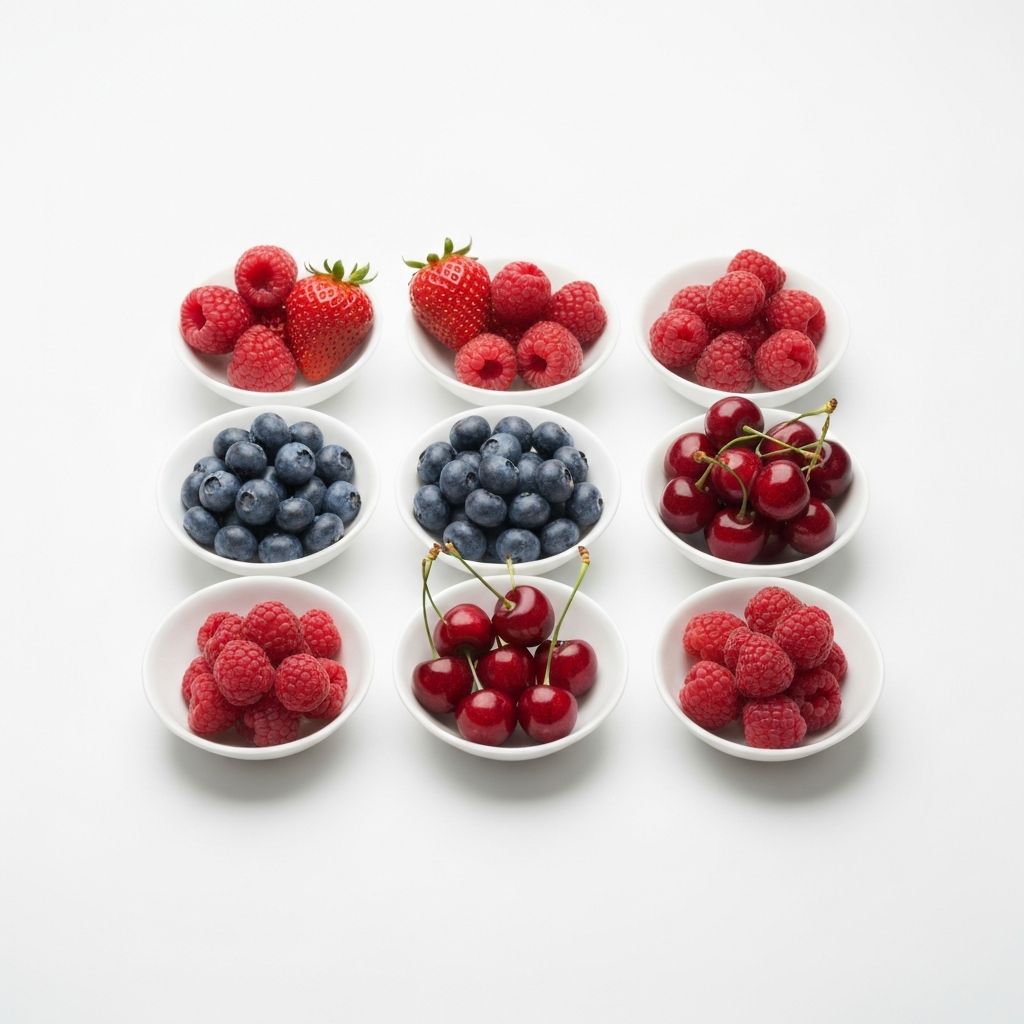
Understanding Unit Bias
Unit bias refers to the psychological tendency to evaluate portion appropriateness based on discrete units rather than the actual quantity of food consumed. This phenomenon operates across diverse food categories and packaging formats, influencing how individuals determine whether a portion size is adequate.
Research reveals that people often consume different total quantities of food depending on how that food is packaged or presented in discrete units. A serving of snack food provided as ten individually wrapped pieces may be consumed differently than the same total weight of snacks provided in bulk form.
The Mechanism of Unit Bias
Unit bias appears to operate through multiple mechanisms. First, discrete units serve as natural stopping points during eating episodes. When food is organized into clear units (such as cookies in a package, grapes on a stem, or items in a container), individuals often use completion of the unit as a cue to terminate consumption.
Second, the visibility and countability of units influences how people estimate total quantity and appropriateness. When portions are presented as distinct units, individuals can more easily count and track consumption, which may influence their intake decisions. Third, cultural and learned associations with specific unit sizes create expectations about what constitutes an appropriate portion.
Research Evidence on Unit Bias
Multiple studies have documented unit bias effects across different populations and food types. Research using foods such as cookies, crackers, dried fruits, and other discrete items shows that altering the number of units available while holding total quantity constant influences consumption patterns.
For example, studies have found that individuals provided with foods in larger unit quantities (larger cookies or larger individual snack packages) consumed more total food compared to when the same foods were divided into smaller units. This suggests that unit size and the organization of food into discrete portions significantly influences consumption behavior.
Unit Bias in Packaged Foods
Packaged food environments provide numerous examples of how unit structure influences consumption. Single-serve packaging formats create clear portion boundaries, though the size of these individual units varies substantially across products and brands. The presence of multiple units in multi-packs creates additional considerations about consumption appropriateness.
Bulk purchasing of packaged goods, where the same foods are available in larger quantities per package, can facilitate greater total consumption compared to single-serve formats, even when the per-unit cost is lower. This relationship between package organization and unit structure demonstrates the practical importance of understanding unit bias.
Unit Bias Beyond Packaged Foods
Unit bias extends beyond commercially packaged products to naturally discrete foods and self-served meals. Foods such as individual fruits, pasta portions, cookie slices, or meal components that naturally divide into units all demonstrate unit bias effects.
In restaurant and dining contexts, the presentation of food as distinct components (appetizers, sides, main courses) represents a form of unitization that can influence total consumption. Similarly, the number and size of courses served during a meal influences how individuals approach eating across the entire meal duration.
Individual Variation in Unit Bias Responsiveness
Not all individuals respond equally to unit bias effects. Research suggests that factors including age, prior eating experience, attention to food labels, and individual personality characteristics influence susceptibility to unit bias. Some individuals demonstrate stronger unit bias effects than others, reflecting underlying differences in food consumption decision-making processes.
Additionally, unit bias effects can vary depending on food type, eating context, and whether individuals are consciously attending to consumption. Understanding these individual differences is important for recognizing that portion science effects operate differently across diverse populations and circumstances.
Practical Implications
Understanding unit bias has implications for recognizing how food environments and commercial food design can influence consumption patterns. The organization of food into discrete units is a fundamental feature of food retail and consumption environments, and this organization has measurable effects on how much people consume.
This information is presented for educational understanding of portion science. Individual food choices and consumption patterns are influenced by complex factors extending far beyond portion structure, and individual applications of this research vary widely based on personal circumstances and preferences.
Back to Articles